
Lindenhurst City Directory Shelves
Local directory research has a firm starting point, but not a single verified publisher run. The Library of Congress address-directories inventory lists a Lindenhurst street-address entry for 1961. The New York Public Library finding aid separately identifies Babylon telephone directories that include Lindenhurst, along with other nearby communities. Lindenhurst Memorial Library adds newspaper, clipping, yearbook, photograph, postcard, and memory collections. Each item answers a slightly different question, so record the item title, issue or volume date, and page before connecting it to a person.
| Collection | Years | Where Held | Access |
|---|---|---|---|
| Lindenhurst Star | 1927–1958, in three film runs | Lindenhurst Memorial Library and digital archive | Online keyword search or browse; library film holdings |
| Lindenhurst Beacon | 1967–1972, with listed gaps | Lindenhurst Memorial Library microfilm | Contact the library and verify the issue |
| Babylon telephone directories including Lindenhurst | 1961–62 through 1971–72, with gaps | New York Public Library telephone holdings | Collection request; digitization is not assured |
| Lindenhurst street-address directory | 1961 entry located | Library of Congress directory holdings | Verify item-level access before relying on a page |
| Lindenhurst High School yearbooks | Exact run not published | Lindenhurst Memorial Library link and collection | Use scans or ask reference staff about a class year |
These are uneven holdings, not a continuous count of every household. No distinct Lindenhurst Polk run, first printed year, last printed year, publisher change, or local criss-cross volume was verified. A year that is absent from a list may reflect a collection gap, a broader directory title, or access that must be requested in person.
Babylon Telephone Directories With Lindenhurst
The NYPL finding aid is especially useful for the 1960s and early 1970s. Its Babylon entry says the directory includes Lindenhurst as well as Amityville, Bay Shore, Brentwood, Deer Park, and Islip, and it lists both white and yellow pages. The located runs are 1961–1962, 1962–1963, 1963–1964, 1964–1965, 1966–1967, 1967–1968, 1968–1969, 1970–1971, and 1971–1972. That phrasing matters: it is evidence of a broad Babylon directory that includes Lindenhurst, not proof of a separate local publisher.
Telephone books can provide a dated name, address, and phone number when a listing was printed. They do not settle every identity question. Compare initials, street names, and the year on the volume with a deed, census, obituary, or newspaper item before treating two entries as the same household. White and yellow pages also serve different purposes, so note which part of the volume produced the result.
Lindenhurst Star Names and Dates
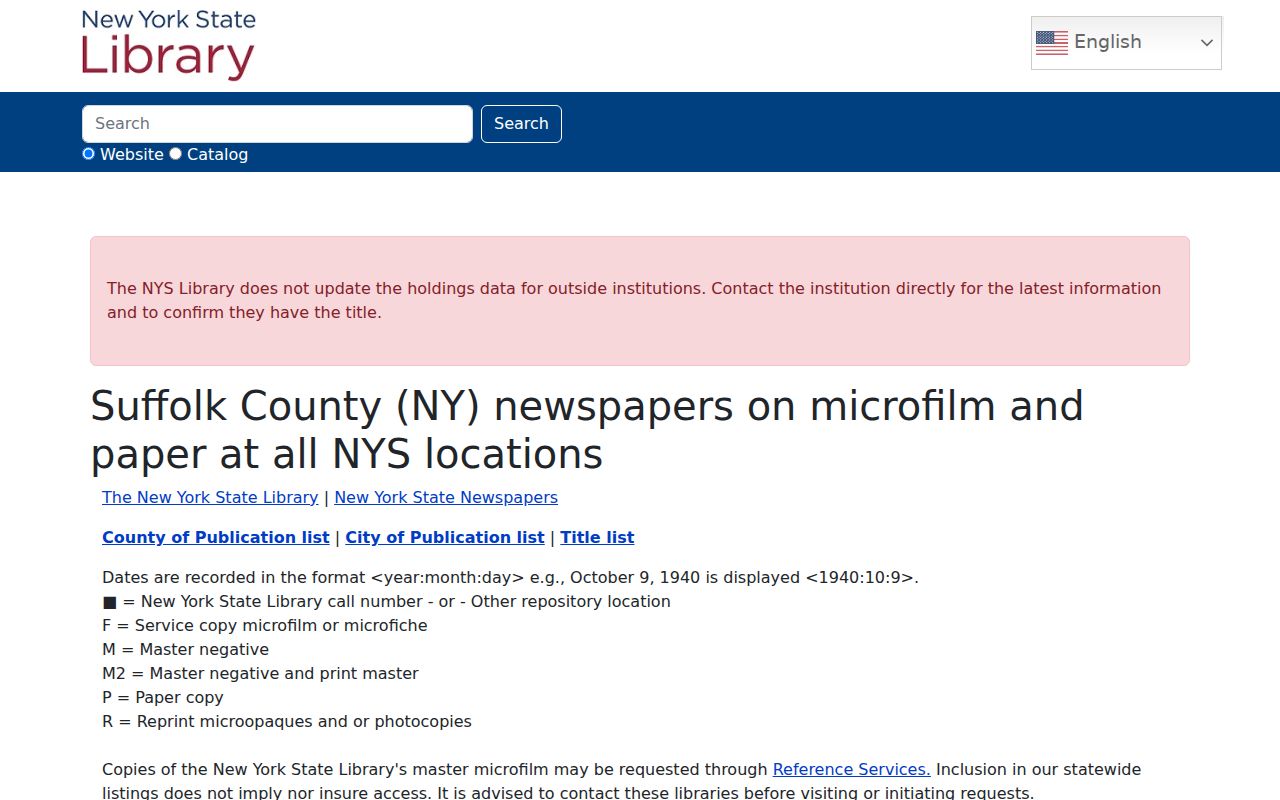
The New York State Library newspaper holdings record documents the Lindenhurst Star film runs held at Lindenhurst Memorial Library: September 23, 1927 through August 24, 1939; August 29, 1940 through September 24, 1948; and September 22, 1950 through September 25, 1958. The library describes the Star as a 1927–1958 paper with birth and death announcements, local features, and community news.
Those dates create two meaningful breaks in the film run. A surname search with no result should be checked against the available issue dates before it is called a no-hit. Search a name first, then try a street, place, organization, or business, and read the issues before and after a promising item for continuations or corrections.
Reading a Lindenhurst Listing
Actual Lindenhurst street-address and Babylon telephone-directory pages were not opened during the research, so their exact abbreviations and field layout remain unverified. That limit is important. Transcribe only what the page prints, and do not supply an occupation, spouse, owner mark, or similar detail from a generic directory convention. A clean transcription preserves the original spelling before any later normalization.
| Printed name | Copy initials, surname spelling, and any suffix exactly as shown. |
|---|---|
| Street or address line | Record the number, street form, and whether the entry is alphabetical or address-ordered. |
| Telephone number | Capture it only if the volume prints one, along with the directory year. |
| Additional printed fields | Note a spouse, occupation, employer, owner/renter mark, or widow notation only when it appears in that entry. |
| Citation | Keep the title, volume year, page, repository, and any call number or scan reference. |
- Criss-cross directory
- An address-order section, when a volume has one, that can lead from a street and number back to a listed name.
- Householder index
- An alphabetical listing organized around a household or listed person rather than a street.
- Abbreviation key
- The volume’s own explanation of short forms. Photograph or transcribe it before expanding abbreviations.
Lindenhurst Directory Names Before 1923
Older local material may not use today’s municipal name. The Town of Babylon Genealogy Research Guide says the area was called Neguntatogue or Huntington South before 1870, Breslau in 1870, and Lindenhurst after 1891. The Village incorporated in 1923. It also cautions that the larger “City of Breslau” reached into places now called Copiague and North Lindenhurst. A hit under Breslau is therefore a lead, not automatic proof that the person was inside today’s Village.
Use the historic label beside the current one, then test the geography with the printed street, cross street, tax map, or source date. The guide also notes that the 1950 federal census labels communities under Babylon town, with 52 districts. Older census and directory labels describe their own time. They should not be forced into a current Village boundary without supporting location evidence.
Lindenhurst Directory Research Help
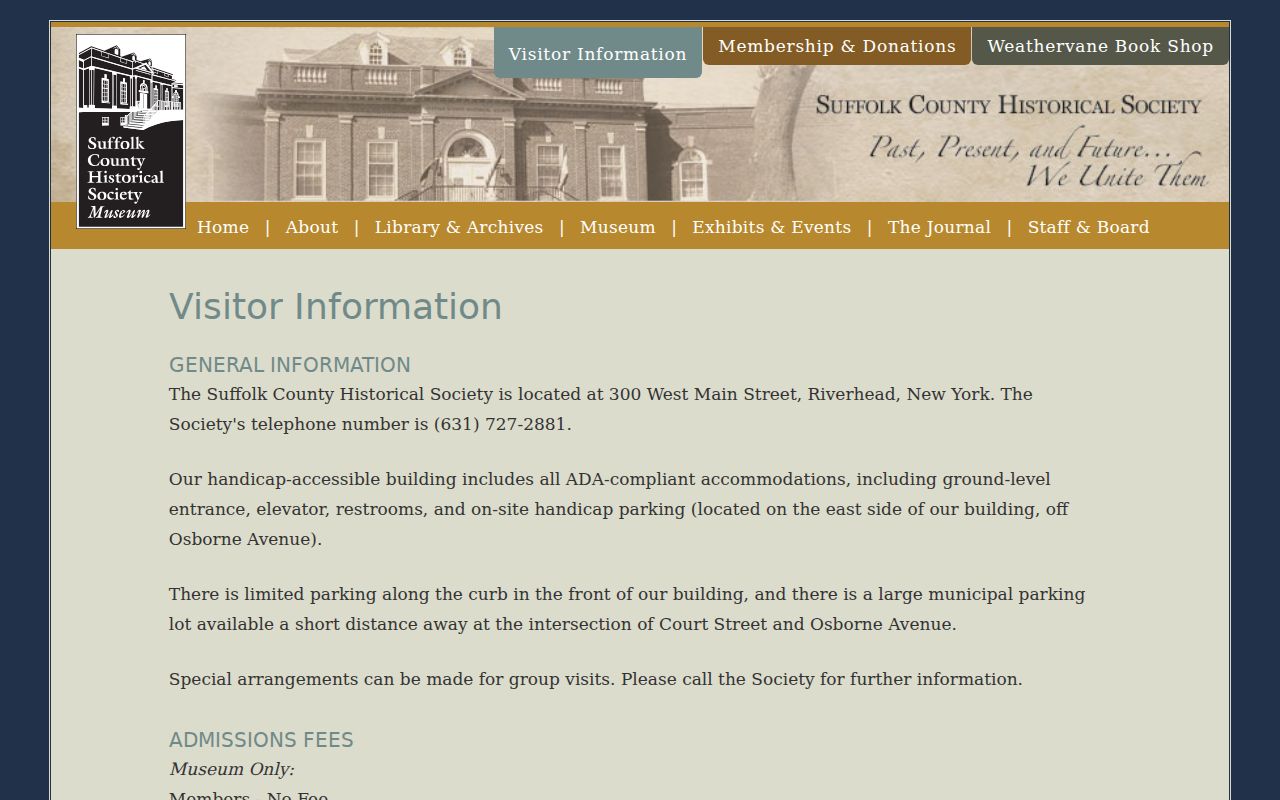
Suffolk County Historical Society’s research library in Riverhead is a practical next stop when a directory lead needs county context. Research notes place it at 300 West Main Street, with a $5 non-member research-library fee, Wednesday through Friday hours, and Saturday access by appointment. The library recommends appointments, so confirm current conditions before traveling.
Lindenhurst Memorial Library is the closer local starting point. Its Local History Collection links photographs, postcards, clippings, yearbooks, veteran interviews, memory submissions, the Star archive, Book a Librarian, and the Lindenhurst Historical Society. A focused request should give the name as printed, likely date range, street or organization, and the type of historical evidence needed. A memory submission or interview can add context, but it is not a certified record.
Directory Gaps Need a Second Source
MYTH: A missing directory or newspaper hit proves a household had left Lindenhurst. It does not. The Star film has gaps, the Beacon run is partial, the telephone holdings have gaps, and exact yearbook coverage was not published. Publication, preservation, indexing, and access all shape what can be found. Treat a blank as “not located in this source for this date,” then look for a nearby directory, a census, an indexed deed, a probate file, or another newspaper title.
INSIDER TIP: The Town Historian’s March 2026 genealogy guide is a useful map for these gaps because it sets out historical names, custody changes, census quirks, and repositories. It is not a substitute for the collection holder. Preserve a source date and the original citation even when a later scan is found, because image access and catalog descriptions can change.
Trace Lindenhurst City Directories Over Time
City directories become more useful when read as a dated sequence. Start with the strongest known year, copy the entry exactly, and then move outward one available volume at a time. Pair each directory date with census, parcel, deed, and newspaper evidence rather than asking one source to prove a whole life. This approach handles initials, street-name changes, and gaps far better than a single keyword search.
- Locate the person’s earliest verified listing and record the page, volume date, printed name, street, and phone if present.
- Check the next available directory years on both sides, keeping each spelling and address variation in a small timeline.
- Use an address-order or criss-cross section only when that volume actually contains one, then compare nearby listings without assuming a relationship.
- Pair the directory sequence with the census year, County Clerk deed trail, and tax-map description to test whether the address is the same parcel.
- Use the Star, Beacon, clippings, obituary notices, cemetery leads, or probate records to explain a gap, move, or death when a source supports it.
A disappearing listing can mean many things: a move, a death, a changed telephone subscription, a missed publication year, or an entry that was never printed. The County Clerk’s Imaging System is stated as covering documents recorded or imaged from 1987 forward, while FamilySearch’s New York land collection reaches 1630–1975 with varying image rights. Those overlapping sources can help stabilize a house or family trail without turning a directory gap into an invented fact.
Lindenhurst Directory Research Timeline
The surviving sources support a modest chronology, not a complete publication history. It places directory-like listings among the town-name changes, local media, and later indexing systems that shape a household search.
- 1870: Breslau appears as the local name in the Town guide.
- 1891: The area is renamed Lindenhurst.
- 1923: Village incorporation creates a municipal custody breakpoint.
- 1927–1958: The Lindenhurst Star supplies local newspaper coverage, with film gaps in the library runs.
- 1961: The Library of Congress inventory lists a Lindenhurst street-address directory entry.
- 1961–62 to 1971–72: Located Babylon telephone-directory runs include Lindenhurst, with gaps.
There is no verified first or last distinct city-directory year to add to that line. That restraint keeps the chronology useful and avoids turning a catalog clue into a full publication run.